Level: Foundation Format: Self-paced Focus: Repeatable standards

Industrial Sewing Basics: machine setup, seam fundamentals, and the inspection habits that prevent rework

This course is the clean starting point for workshop-grade sewing. It teaches how stitches form, how tension balance shows up on real seams, and how to choose needle and thread combinations that behave in heavier stacks. You will also learn seam planning basics—because assembly order and reinforcement choices matter as much as “how straight you sew.”

Educational course focused on techniques and process. Outcomes depend on materials, machine condition, and practice time.

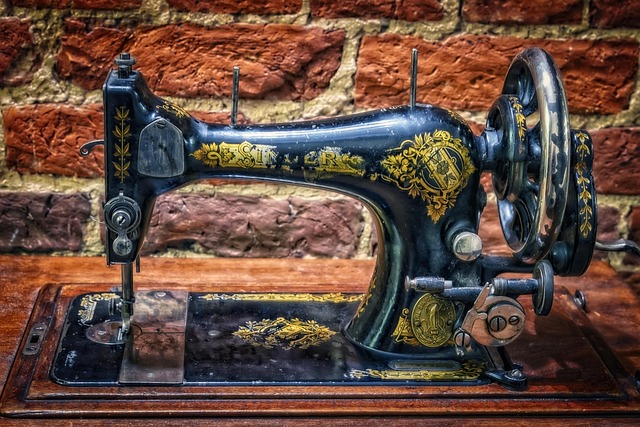
industrial sewing machine hands heavy fabric
Setup that you can repeat
Needle system, thread size, stitch length, and presser foot pressure recorded by material, so troubleshooting becomes a checklist.
Quality checks after every seam
Stitch balance, seam allowance drift, and reinforcement placement checked early—before mistakes multiply across a batch.

What you will learn in Industrial Sewing Basics

Industrial sewing becomes less intimidating when you treat it as a controlled system: stitch formation, tension, feed, and material handling. The course starts with the mechanics that cause the most common defects—skipped stitches, looping, puckering, uneven topstitching—then connects those mechanics to what you see on the fabric. You will also practice the habits that production shops rely on: documenting settings, maintaining consistent seam allowances, and using simple checks to catch drift early.

Expect practical terminology and decisions you can apply immediately: needle system selection, thread sizing, stitch length targets for different loads, backtacking discipline, seam grading to manage bulk, and stress mapping for reinforcement placement. The lessons are written so you can transfer the workflow from a basic seam sample to protective covers, upholstery panels, and technical assemblies without relearning the fundamentals each time.

Module 1: Stitch formation and tension balance

Understand what the machine is doing, then diagnose issues from the seam—not from guesswork.

Reading thread loops Top vs bobbin symptoms Clean test seam routine
  • How to set a baseline tension using a controlled sample and one variable at a time
  • A simple defect map for looping, puckering, and uneven stitch appearance
  • Why stitch length interacts with fabric density and changes seam strength

Module 2: Needle, thread, and stitch length

Choose a combination that matches the material and the load, then test it like a workshop would.

Thread sizing basics Needle point types

Module 3: Seam allowance discipline

Build the muscle memory that keeps panels square, corners clean, and topstitching consistent.

Guides and reference lines Controlling drift

Module 4: Reinforcement and inspection routines

Learn how workshops prevent failures: plan stress points, reinforce intentionally, and check the seam like it matters.

Reinforcement planning

Stress mapping, reinforcement patches, and when to use bartacks without creating a perforation line.

Inspection checklist

Stitch balance, edge stability, seam straightness, and pull tests on samples before a real run.

How to use this course in a real workshop rhythm

The fastest way to improve is not to binge lessons; it is to run short, controlled practice cycles. Start with a material you can repeat (two layers of medium fabric, then add webbing, then add a binding edge). Keep the test seam length consistent, change one variable, and write down the outcome. That documentation—needle, thread, stitch length, tension adjustments, presser foot pressure—becomes your reference when you move to coated textiles or foam-backed panels later.

The course also leans on boring but decisive checks: measure seam allowance drift with a ruler, inspect stitch balance on both sides, and do a quick pull test on a sample before you commit to a batch. Those habits look slow at first; then they erase unpicking time, which is the real cost in production. Once your baseline is stable, you will recognize when a defect is a setup issue versus a material behavior issue—and that is the moment sewing becomes predictable.

01

Run a baseline seam

Use a known fabric stack, a fixed seam length, and a single thread/needle combination. Record the settings.

02

Change one variable

Adjust stitch length or tension in small steps. Compare seam appearance and behavior, not just feel.

03

Inspect and measure

Check stitch balance, seam allowance, and edge stability. A ruler and good light beat guesswork.

04

Apply to a real piece

Move from samples to a small cover panel or upholstery section and keep the same documentation routine.

Register to access Industrial Sewing Basics

Registration creates your learner profile and allows us to email essential course access information. Keep it simple: name for personalization, email for login and updates, and a password to protect your account. This site does not collect phone numbers.

Educational disclaimer

owlloom.buzz provides educational training on industrial sewing methods for protective covers, upholstery, technical textiles, and sportswear. Lessons are for learning and skill development. Results vary with practice time, machine condition, needle/thread selection, and material properties. Always follow your machine manufacturer’s safety guidance, use appropriate guards and personal protective equipment, and test on scrap before producing finished goods.

By submitting, you agree to our Privacy Policy.

Data we collect: name, email, and your password. Purpose: account creation and course access. We do not sell your data.

Support and access questions

For registration and course access help, email the team. Cookie preferences can be updated anytime from the footer link.

Start with fundamentals, then specialize

Industrial Sewing Basics gives you the baseline: stable stitches, controlled seams, and a documentation habit you can reuse. After that, technical textiles and protective covers become a material problem—not a mystery problem.

Setup logs Seam allowance control Inspection routine
Next step

Explore the full catalog, or continue into Technical Textiles for coated fabrics, webbing, and bindings.