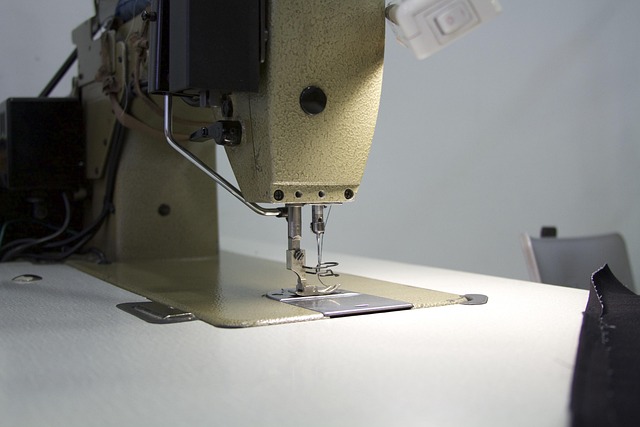
Course catalog for workshop-grade industrial sewing

These programs are built around production workflows: pattern transfer, stack cutting, seam planning, reinforcement, edge finishing, and inspection routines. Each module focuses on the decisions that prevent rework—needle system selection, stitch length, thread pairing, seam allowance discipline, and managing bulk in thick assemblies.

Educational content only. Outcomes depend on machine setup, materials, and practice time.

industrial sewing machine hands heavy fabric
Decision-first lessons
Why a seam type, finish, or reinforcement was chosen—and how to verify it.
Inspection routines
Stitch balance, seam allowance drift, edge stability, and reinforcement checks.

Training programs

Industrial sewing becomes manageable when you treat it like a controlled process instead of a collection of tricks. The catalog is organized by material behavior and construction constraints: thick stacks that need bulk management, coated surfaces that creep, foam-backed upholstery that compresses under the foot, and stretch knits that demand the right seam choice to avoid skipped stitches and tunneling.

Expect practical terminology and repeatable sequences: topstitching for stability, binding and edge finishing, bartacks and reinforcement patches, seam grading to reduce ridges, notching strategies for corners, and documentation of machine setup (needle system, thread size, stitch length, tension balance, presser foot pressure). The goal is consistent output you can inspect and improve—one adjustment at a time.

Industrial Sewing Basics

The foundation: stitch formation, seam control, and the setup habits that stop “mystery” machine problems.

Level: Foundation Duration: Self-paced Outcome: Consistent seams
  • Needle systems and thread selection for medium to heavy materials
  • Tension balance checks, stitch length discipline, and clean backtacks
  • Inspection-first workflow: detect drift before it spreads across a batch

Technical Textiles

Coated fabrics, webbing capture, and binding workflows that protect structure and finish.

Level: Intermediate Outcome: Durable assemblies

Covers, Upholstery, Sportswear

A structured path across product types: stress mapping, corner control, and clean finishing under real constraints.

Format: Skill tracks Outcome: Repeatable quality

What you will practice across the catalog

Three habits show up in every module: document your setup, choose a seam based on stress and finish, and inspect early.

Setup log

Needle system, thread size, stitch length, tension check method, and presser foot pressure—recorded per material.

Bulk control

Seam grading sequence, turning strategy, and where to reduce layers before they collide under the foot.

Edge finishing

Binding approaches, clean topstitching, and abrasion-aware choices for exposed edges.

Reinforcement planning

Stress mapping, bartack placement, capture methods for webbing and straps, and defect checks.

How to choose the right starting point

If you are moving from light fabrics into heavier assemblies, start with the fundamentals and build a stable baseline: stitch formation, tension balance, and seam allowance control. Those mechanics matter even more once you add bulk, coatings, foam, and webbing. If you already sew comfortably but want fewer defects when materials fight back, jump into Technical Textiles—especially for binding, webbing capture, and abrasion-aware finishing.

A useful rule: start with the material behavior that currently creates the most rework. Slippery coated fabric tends to drift; foam-backed panels hide small alignment errors until the end; stretch knits expose the wrong needle or seam choice immediately. The catalog teaches how to diagnose those issues with small, repeatable tests on scrap, then lock settings and sequence before you cut a full set of parts.

You want a stable baseline

Start with Industrial Sewing Basics. Learn to set stitch length, test tension, and keep seam allowance consistent under pressure.

You work with coated or layered materials

Go to Technical Textiles for webbing capture strategies, binding workflows, and methods to stop creep on slick surfaces.

You care about durability and rework

Follow the inspection-first approach: stress mapping, reinforcement planning, and simple checks that keep batches consistent.

Register to access courses

Registration creates a learner profile so we can deliver essential course access information by email. The form is intentionally minimal: name for personalization, email for login and updates, and a password to protect your account. This site does not request a phone number.

Educational disclaimer

owlloom.buzz provides educational training on industrial sewing methods for protective covers, upholstery, technical textiles, and sportswear. Lessons are for learning and skill development. Results vary with practice time, machine condition, needle and thread selection, stitch length, and material properties. Always follow your machine manufacturer’s safety guidance, use appropriate guards and personal protective equipment, and test on scrap before producing finished goods.

Support by email

For course access and platform questions, contact [email protected].

By submitting, you agree to our Privacy Policy.

Data we collect: name, email, and your password. Purpose: account creation and course access. We do not sell your data.

Privacy, clearly

Analytics and marketing cookies are optional and controlled from the cookie banner. Essential cookies keep the site working and remember your preferences. Details are in the Cookie Policy and Privacy Policy.

Build repeatable quality—one workflow at a time

Start with the course that matches your current material and build from there. A small improvement in seam allowance control or inspection habits often eliminates the most expensive kind of work: rework you only notice at the end.

Setup logs Bulk control Inspection routines
Registration takes under a minute

Create your account, then choose a course path. Cookie preferences can be changed anytime from the footer.